What Is Multi-Narrative Content?
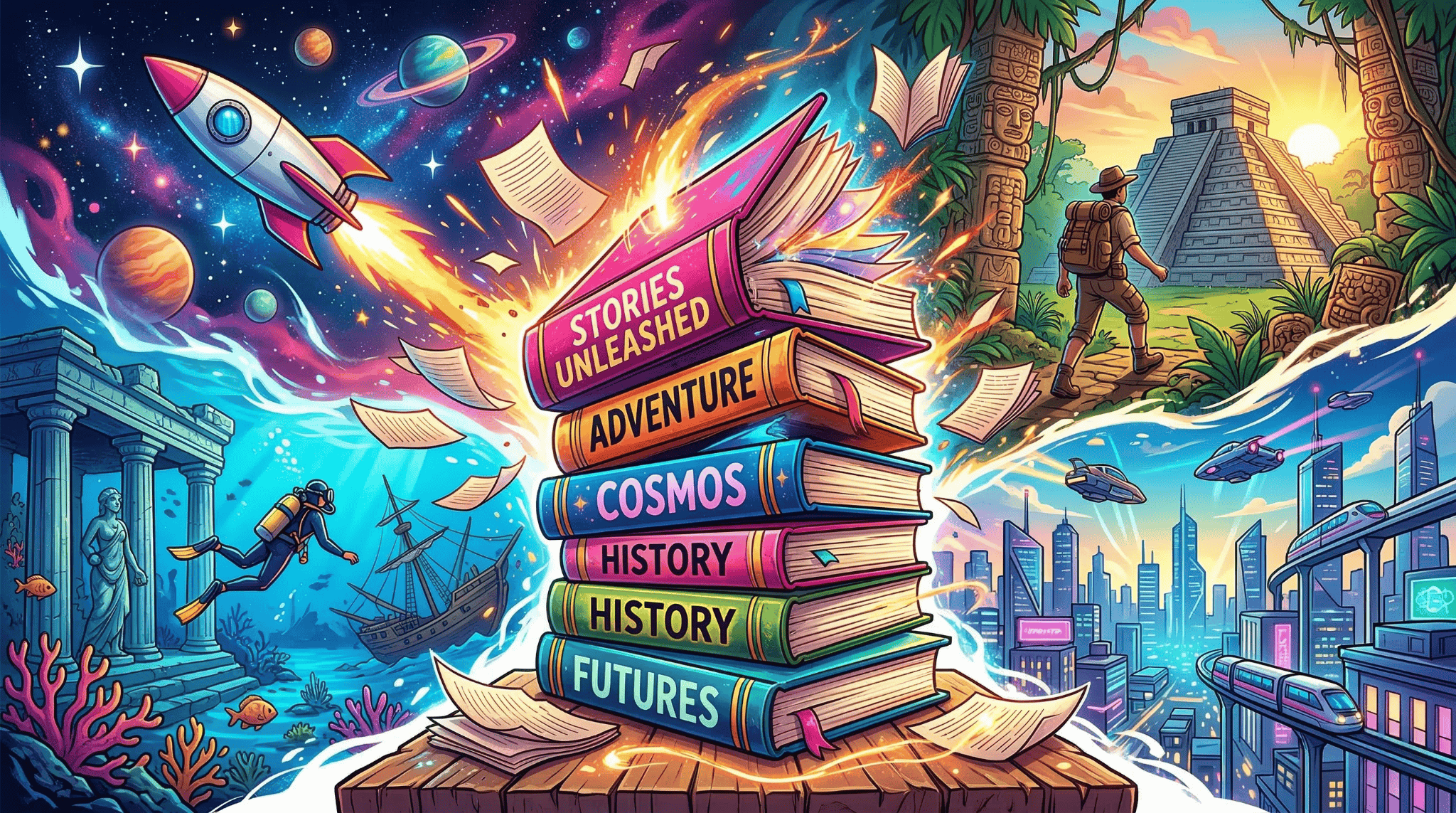
Multi-narrative content takes a single topic and explores it through several distinct story angles — the foundation of the multi-narrative content strategy we explore across this site. Instead of writing one comprehensive guide, you create a cluster of articles — each with a unique perspective, audience, or intent — that collectively dominate the search landscape.
This approach works because search engines reward topical depth, and different users search for the same topic with very different needs. A first-time homebuyer and a seasoned investor both search "real estate market," but they need completely different stories. To see all 12 proven angles you can apply to any topic, see Story Types for One Topic: 12 Narrative Angles.
Brand Example 1: HubSpot's CRM Coverage
HubSpot doesn't just publish "What Is a CRM?" — they cover the topic from at least eight angles: best CRMs for small businesses, CRM for sales teams, free CRM tools, CRM implementation guides, CRM vs spreadsheets, CRM integrations, CRM metrics, and CRM case studies. Each article targets a different search intent while linking back to HubSpot's own product.
The result: HubSpot ranks on page one for dozens of CRM-related queries, capturing prospects at every stage of the buyer journey.
Brand Example 2: NerdWallet's Credit Card Strategy
NerdWallet applies the multi-narrative approach to "credit cards" with remarkable precision. Their content spans best credit cards for travel, cashback, balance transfers, students, bad credit, business, and gas rewards. Each article is a unique narrative angle on the same parent topic.
"NerdWallet's multi-narrative approach generates an estimated 30 million monthly organic visits — most of it from variations on the same core topics covered from different angles."
They also layer on comparison narratives (Card A vs Card B), how-to narratives (how to apply, how to improve your score), and news narratives (policy changes, new card launches).
Brand Example 3: Healthline's Symptom Coverage
For a topic like "headaches," Healthline publishes separate articles covering types of headaches, causes, home remedies, when to see a doctor, headaches during pregnancy, tension vs migraine, medication options, and lifestyle prevention. Each piece serves a different search intent and user context.
Key Patterns Across Successful Multi-Narrative Sites
- Intent segmentation: Each article targets a distinctly different user intent — informational, commercial, navigational, or transactional
- Internal linking: Articles cross-reference each other, creating a content web that signals topical authority — something covered in depth in the hub-and-spoke URL structure guide
- Unique value per piece: No two articles overlap significantly in content — each delivers standalone value
- Consistent publishing cadence: The cluster is built over weeks or months, not published all at once
- Hub page: A central pillar page links to all angles, serving as the topical anchor
How to Apply These Patterns to Your Site
- Pick your highest-value topic — the one with the most search volume and revenue potential
- List every unique angle a user might search for within that topic
- Validate each angle with keyword research to confirm search demand
- Create a content brief for each angle ensuring zero overlap
- Publish systematically and interlink as you go
The brands winning at multi-narrative content don't create more content — they create smarter content. By decomposing one topic into many stories, they capture more traffic, build deeper authority, and convert more visitors than any single comprehensive guide ever could. Before scaling, however, understand when multi-narrative can hurt your SEO.